Bảo Tàng Hà Nội
HANOI MUSEUM
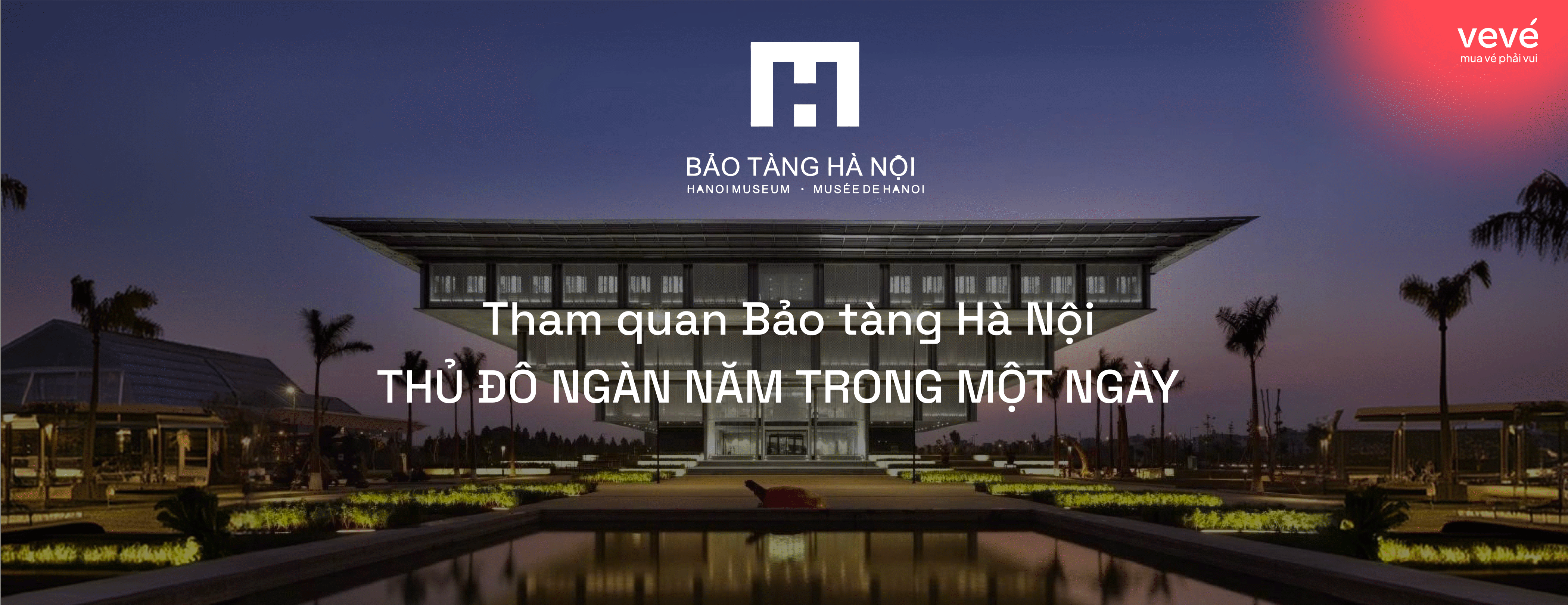
On the occasion of the 1000th anniversary of Thang Long – Hanoi, the Hanoi Museum began construction on May 19, 2008, and was inaugurated on October 6, 2010, on Pham Hung Street, adjacent to the National Convention Center in Tu Liem District, Hanoi. The museum building consists of 6 floors, including 4 above-ground floors and 2 basements, built on a total land area of nearly 54,000 m². The space of the above-ground floors is designed to be open, facilitating exhibitions and the layout of visitor routes. From the first floor, one can look out in four directions, which serves to welcome fresh air while symbolizing the convergence of the four directions toward the Capital – the land of Thang Long – Hanoi with its thousand-year culture. With its unique architecture, in 2016, the Hanoi Museum was voted by the American magazine Business Insider as one of the 36 museums with the most beautiful architecture in the world.
Basement B1 is designed with two halls to serve meetings, conferences, cultural events, etc. The circular hall is decorated warmly with a capacity of 300 guests. The square hall features a modern design with a capacity of 500 guests. With a system of modern and formal sound equipment, lighting, projection screens, seating, and stages, this is a suitable space for organizing cultural events of various scales.
Theme 1: Nature
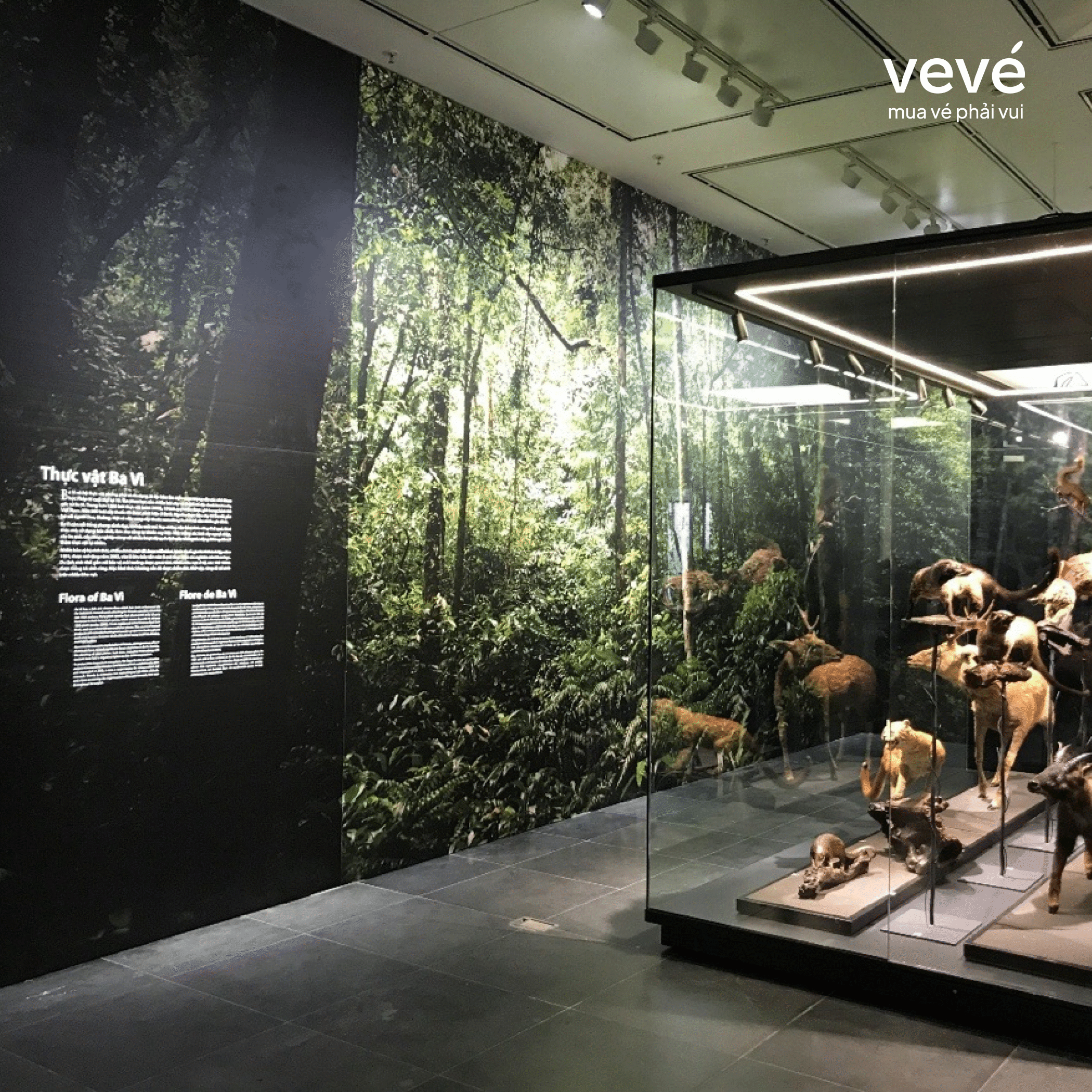
The city is associated with rivers, high mountain ranges, and rich flora and fauna. Stories of human water management from ancient times are linked to the Red River. Thang Long – Hanoi is a city within rivers and by rivers, a city of rivers and lakes, bearing the traces of a low-lying land. This is a consequence of the river changing its course, leaving behind sections of dead riverbeds. Historically, Thang Long – Hanoi once had over 400 large and small lakes. However, the urbanization process has caused their number and area to decrease rapidly, from several hundred at the beginning of the 20th century to only a few dozen today. The flora and fauna are rich and diverse, with specimens collected from Ba Vi National Park. Animal specimens are displayed inside large, impressive glass cases.
Theme 2: The Journey to Thang Long
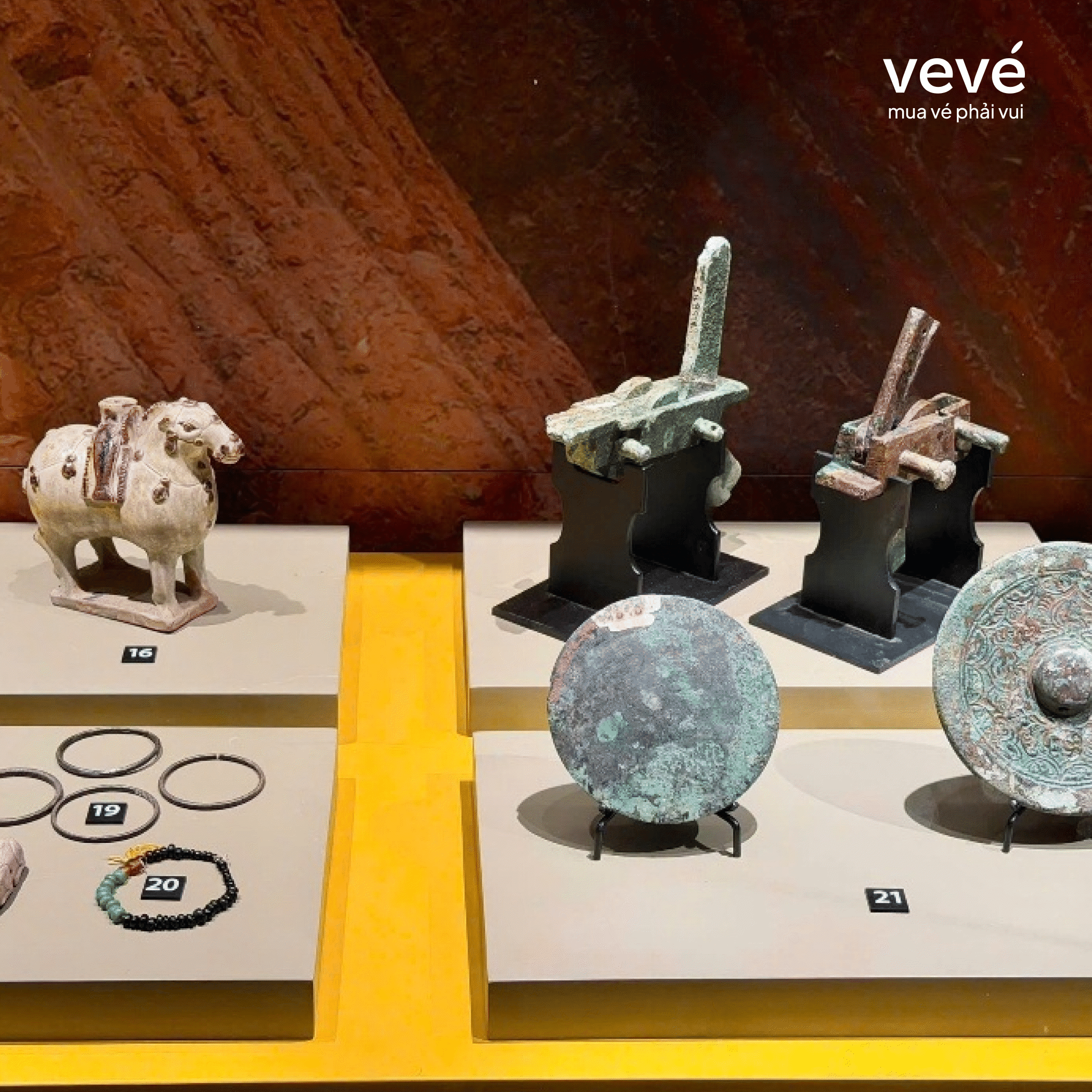
Introducing the first inhabitants who explored the land of Hanoi. They left behind material and spiritual traces through archaeological cultural strata.
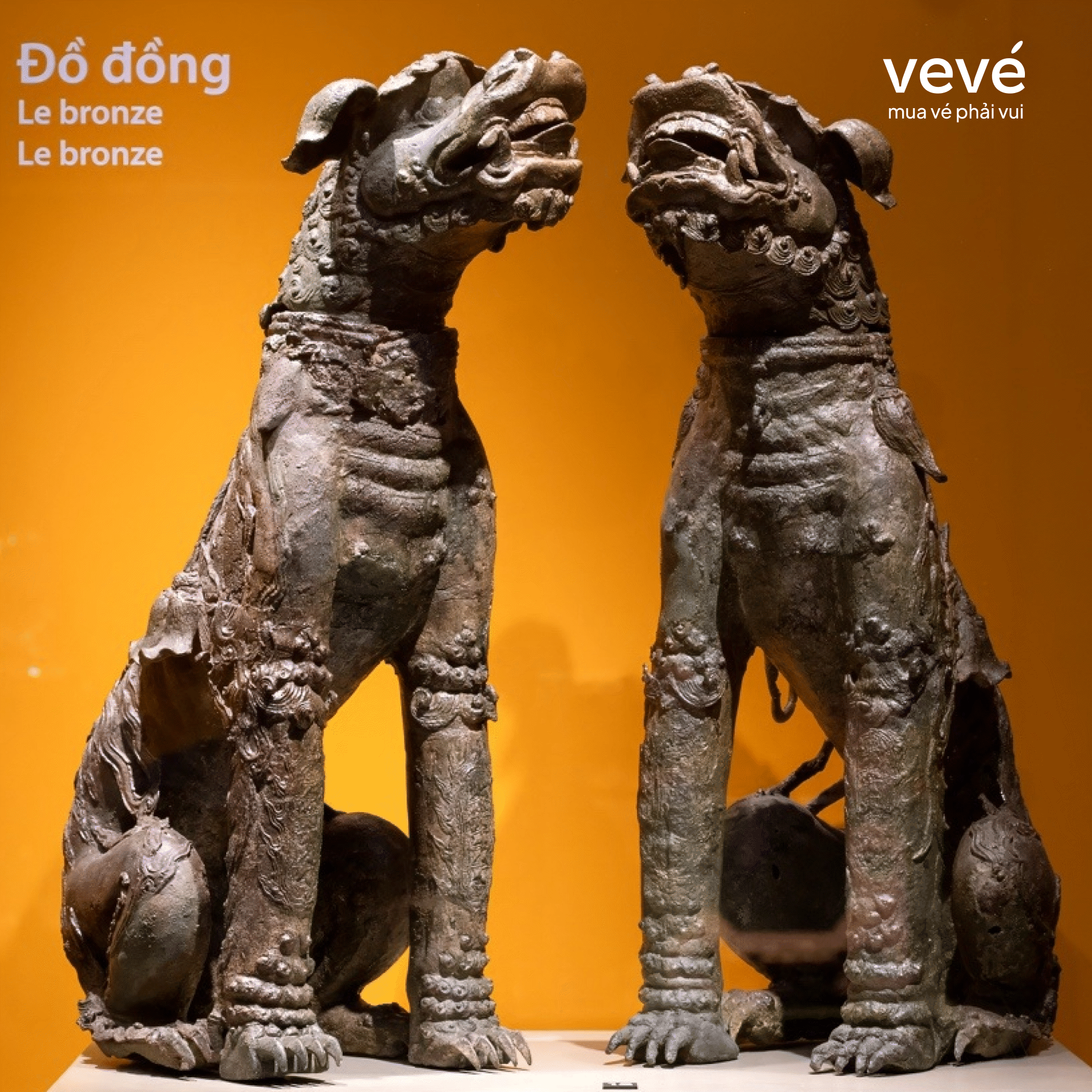
Theme 3: Thang Long from the 11th to 18th Century
The capital city of Thang Long was the political, military, economic, and cultural center of the entire country, and the pride of the Dai Viet state through many autonomous feudal dynasties.
Theme 4: Hanoi in the 19th and 20th Century
During the period of French-Vietnamese cultural intersection, Hanoi experienced strong development in many aspects: arts and culture, craft villages, trade streets, architecture, and expanded infrastructure.
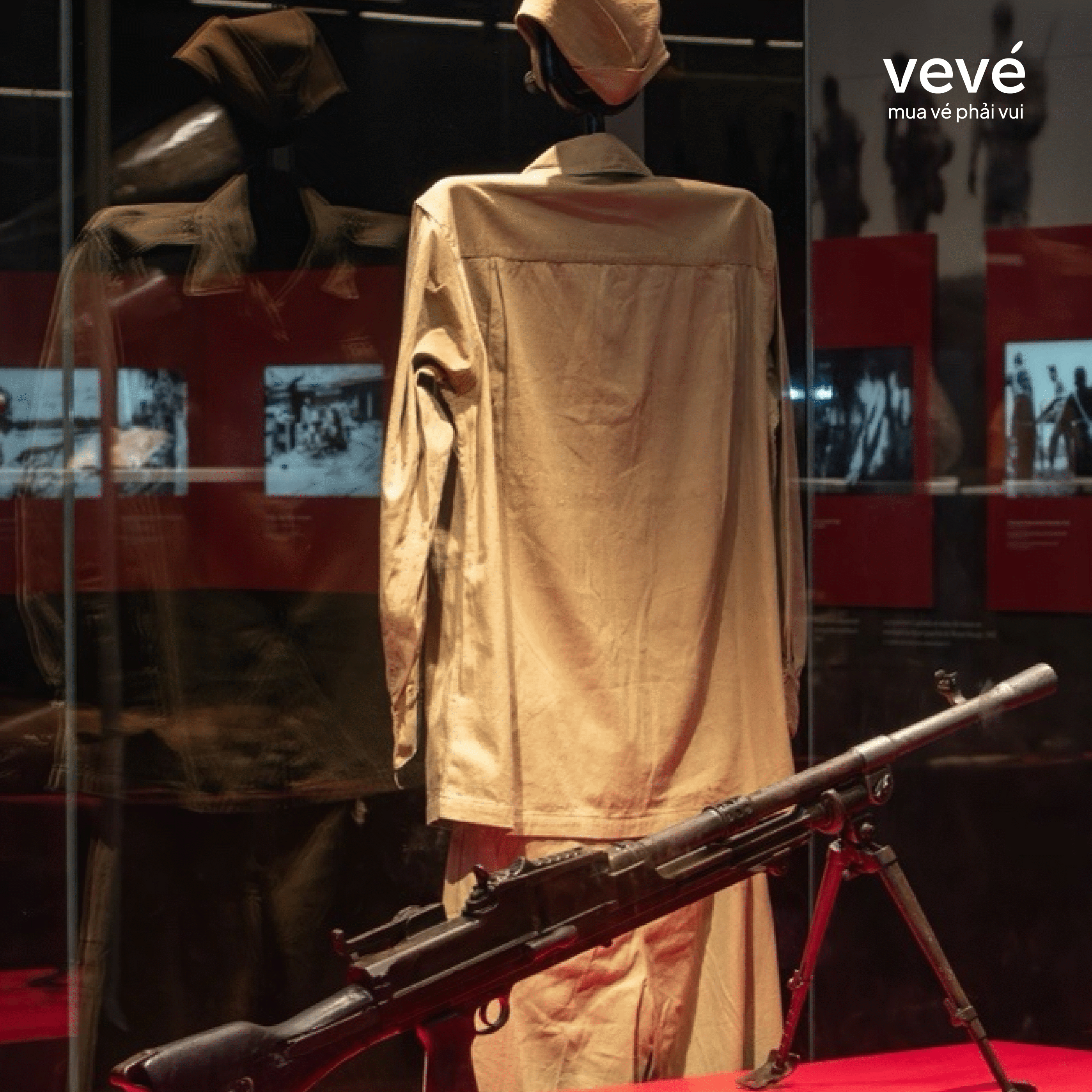
Theme 5A: Resistance against French Aggression
The struggle against French colonialism from 1873 to 1954.
Theme 5B: Resistance against America
The resistance against American imperialism from 1954 to 1975.
Theme 6: Building Socialism
Hanoi focused on overcoming the consequences of war, restoring the economy, and building socialism.
Theme 7: Hanoi looking towards the future
Hanoi is integrating internationally, aiming to be a globally connected city with competitiveness, on par with the capitals of developed countries in the region and the world. Hanoi is a place "worth visiting, staying; worth living and contributing," a Capital that is rising and developing. With determination to breakthrough – creativity to pioneer.
Source: Hanoi Museum event page on Ve Ve (veve.com.vn).
Nhà tổ chức